











Your company size and your role in the supply chain decide which date you work to.
| Who | Applies from | What they must do |
|---|---|---|
| Medium and large operators (first to place the product on the EU market, or export it) | 30 December 2026 | Due diligence and a due diligence statement before placing on the market or exporting. One statement can cover several batches. |
| Micro and small operators | 30 June 2027 | Due diligence statements. Micro and small primary operators in low-risk countries that produce and place their own products file a one-off simplified declaration instead. |
| Micro and small operators with timber products already covered by the EU Timber Regulation | 30 December 2026 | As above, from the earlier date. |
| Downstream operators and traders | Same date as their size | No due diligence statement. Keep records of who supplied you and who you sold to. |
| Deforestation cut-off date | 31 December 2020 | Land must not have been deforested after this date. |
Answer these three in order. Together they tell you your date and what you have to file.
1
EUDR uses the EU accounting size classes: turnover, balance sheet and staff. Micro and small companies work to 30 June 2027, unless they handle timber products already covered by the EU Timber Regulation.
How EUDR defines company size2
Are you the first to place the product on the EU market, or to export it? Then you are an operator and you file. If you buy it inside the EU, you are a downstream operator or trader and you keep records instead.
Seven EUDR myths about roles and filing3
Check each product's customs (HS) code against Annex I. The list changed in September 2026: leather and some rubber goods left the scope, and new products such as soluble coffee apply from 30 December 2027.
If you file, each statement rests on five things. Customs will ask for the statement's reference number before it releases the goods.
Short on time before 30 December?
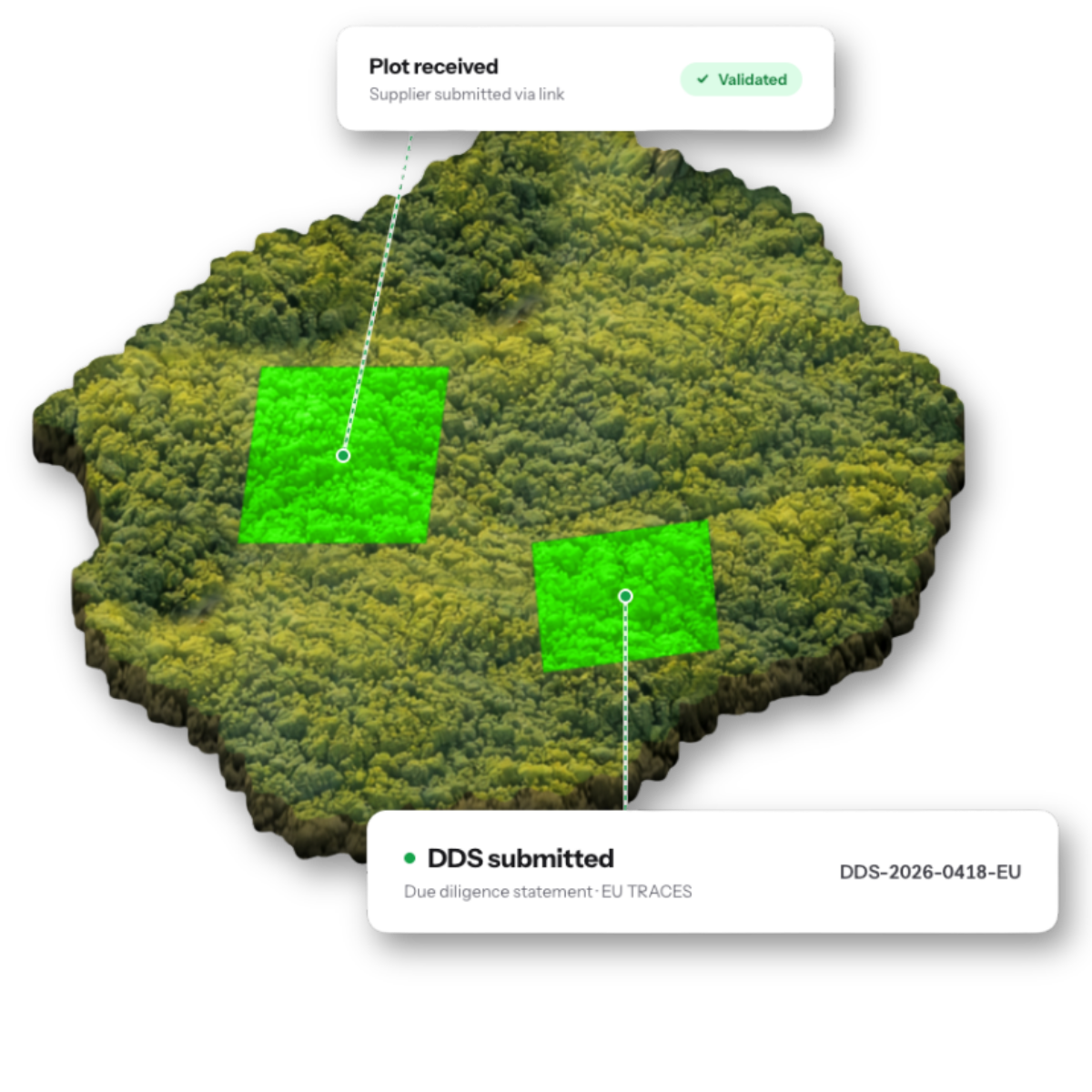
Suppliers send their plots through a secure link. Orbify checks every plot against satellite imagery since 2020, keeps the evidence with the statement, and files it to the EU information system, so the reference number is ready for customs.
The December 2025 amendment, Regulation (EU) 2025/2650, moved both dates by a year. It also limited the due diligence statement to the company that first places the product on the market, and created the one-off simplified declaration for micro and small primary operators.
The Commission's simplification review of May 2026 left the legal text unchanged. In September 2026 the product list was updated, with new products applying from 30 December 2027.
As of the date at the top of this page, no proposal to move the dates again has been made. Plan for the dates in the table.

Four things stand between you and a filed statement. Orbify does all four.
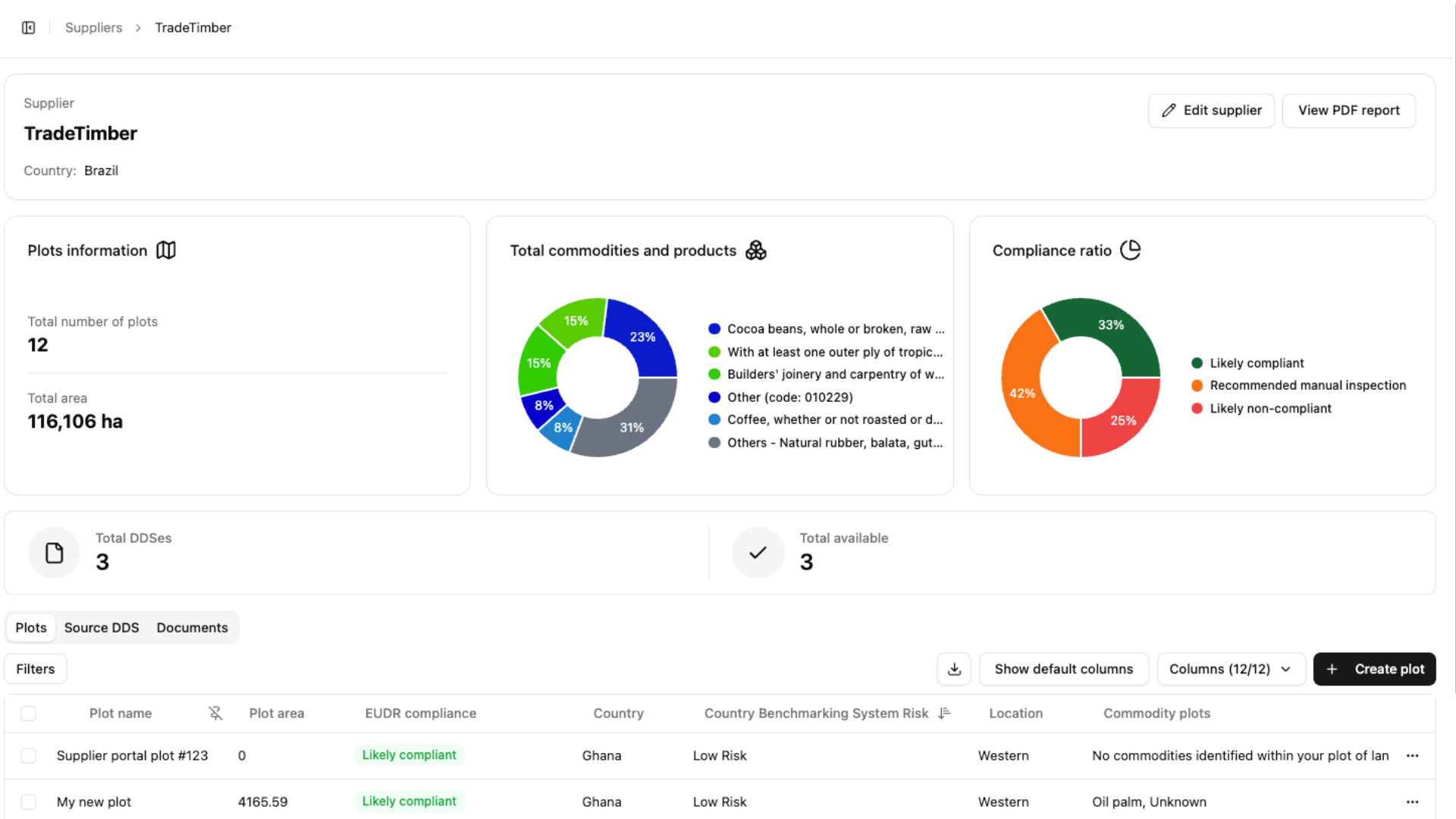
Suppliers submit their plots through a secure link. No account, no GIS software, no training.
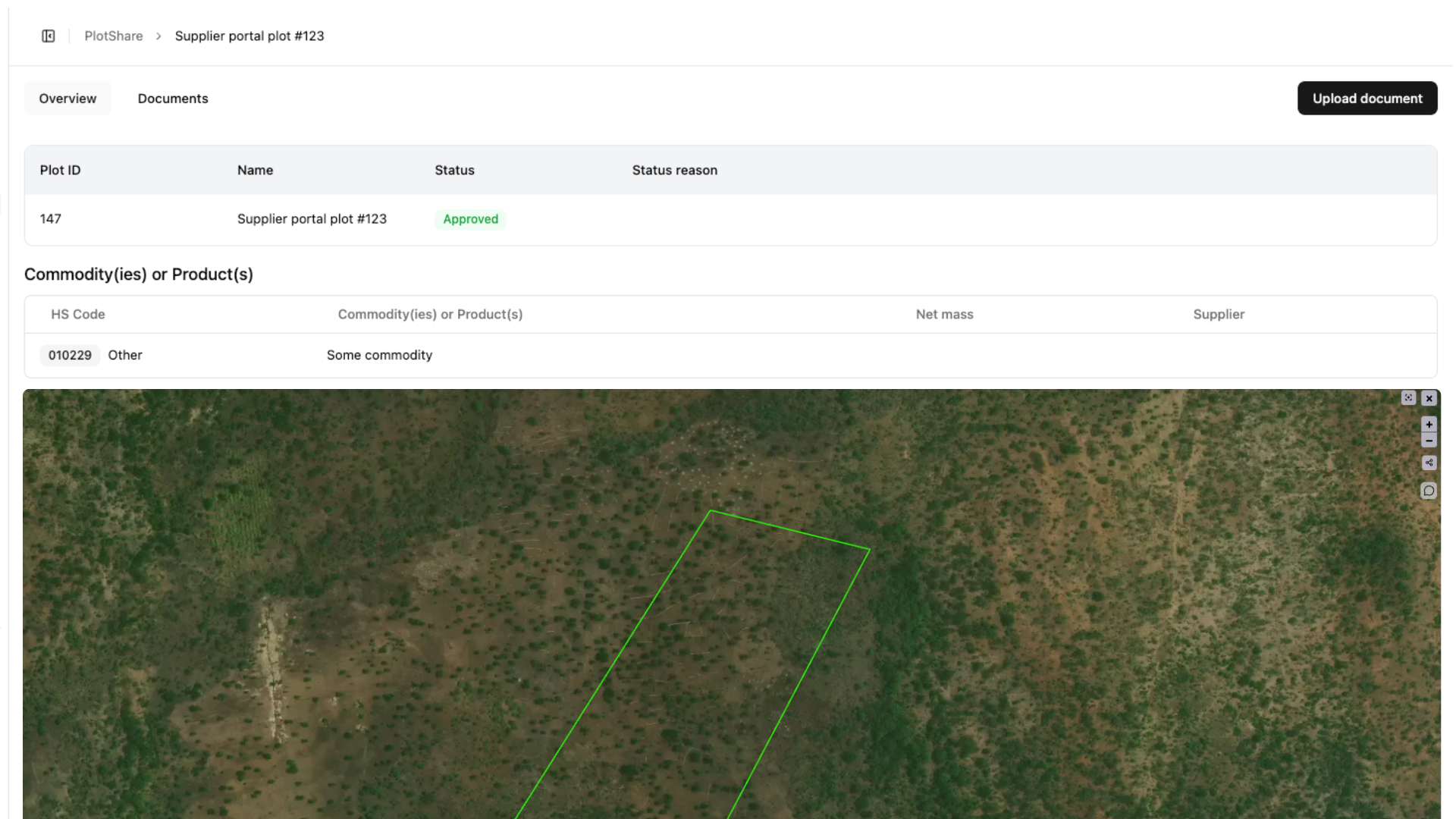
Geometry and format errors surface at collection, not when TRACES rejects your file.
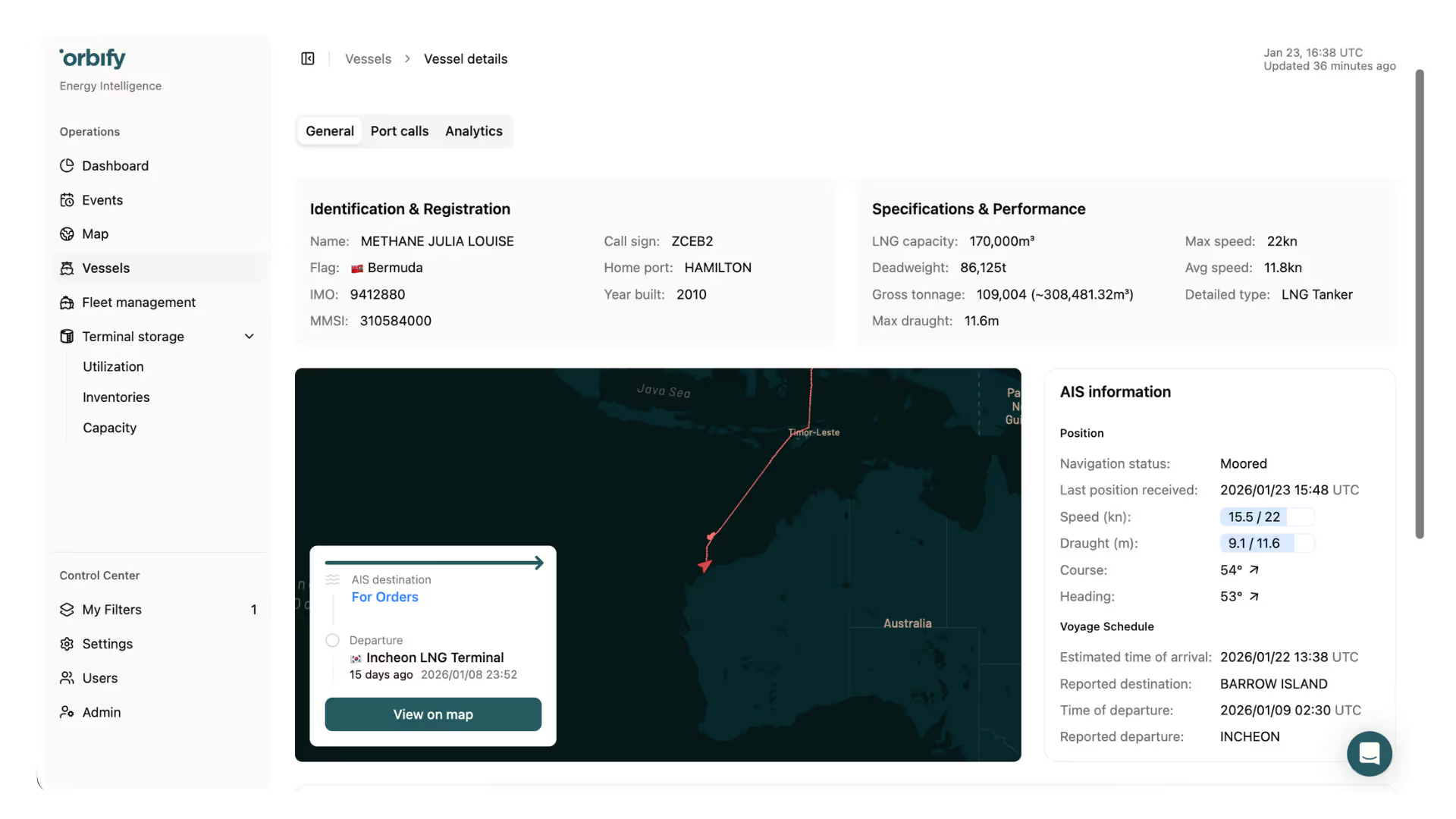
Run custom-configured automated diversion detection 24/7. Set up automated notifications on events and vessel movements in minutes.
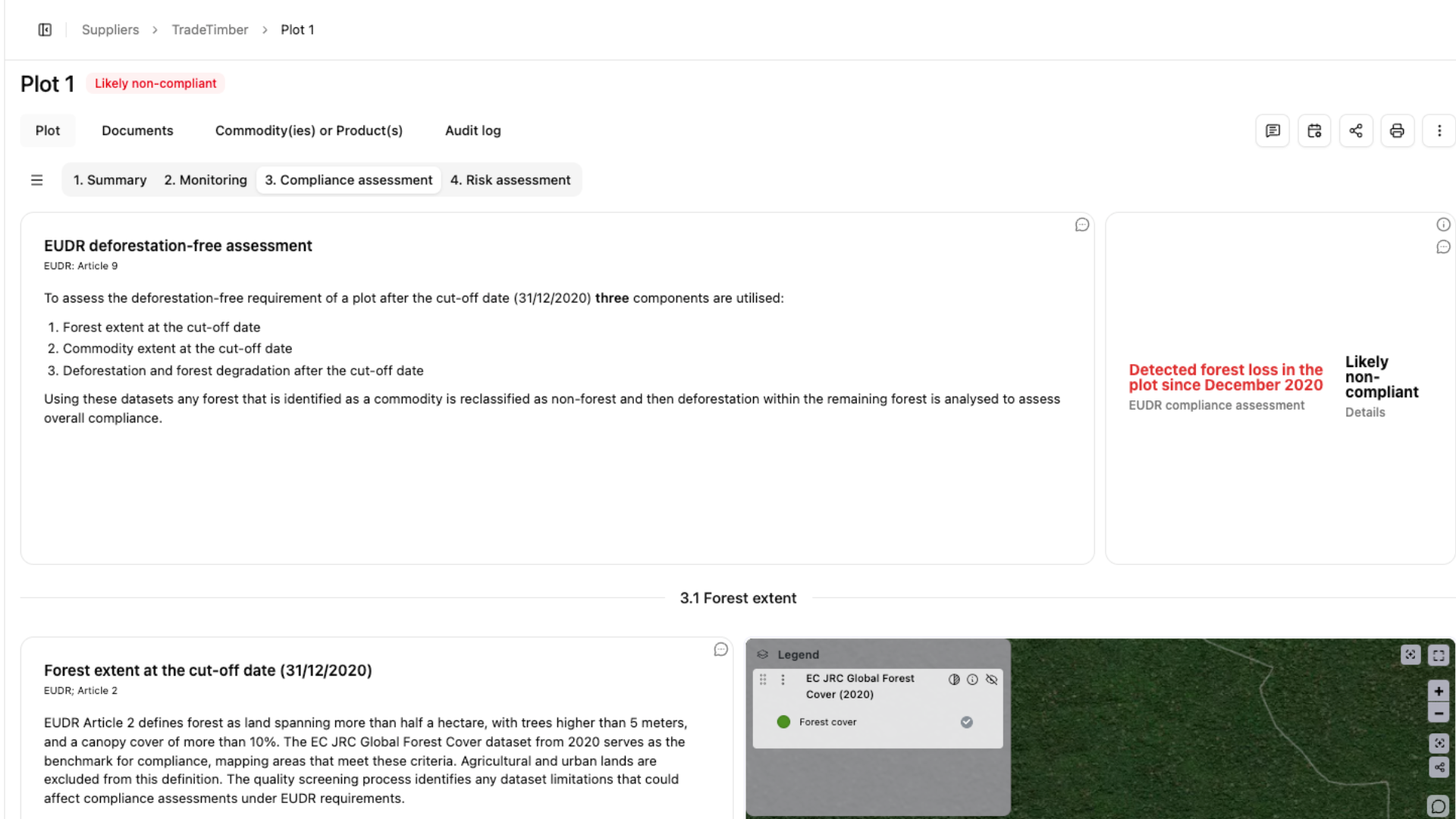
Every plot screened against Sentinel-2 and radar imagery for clearance after 31 December 2020.
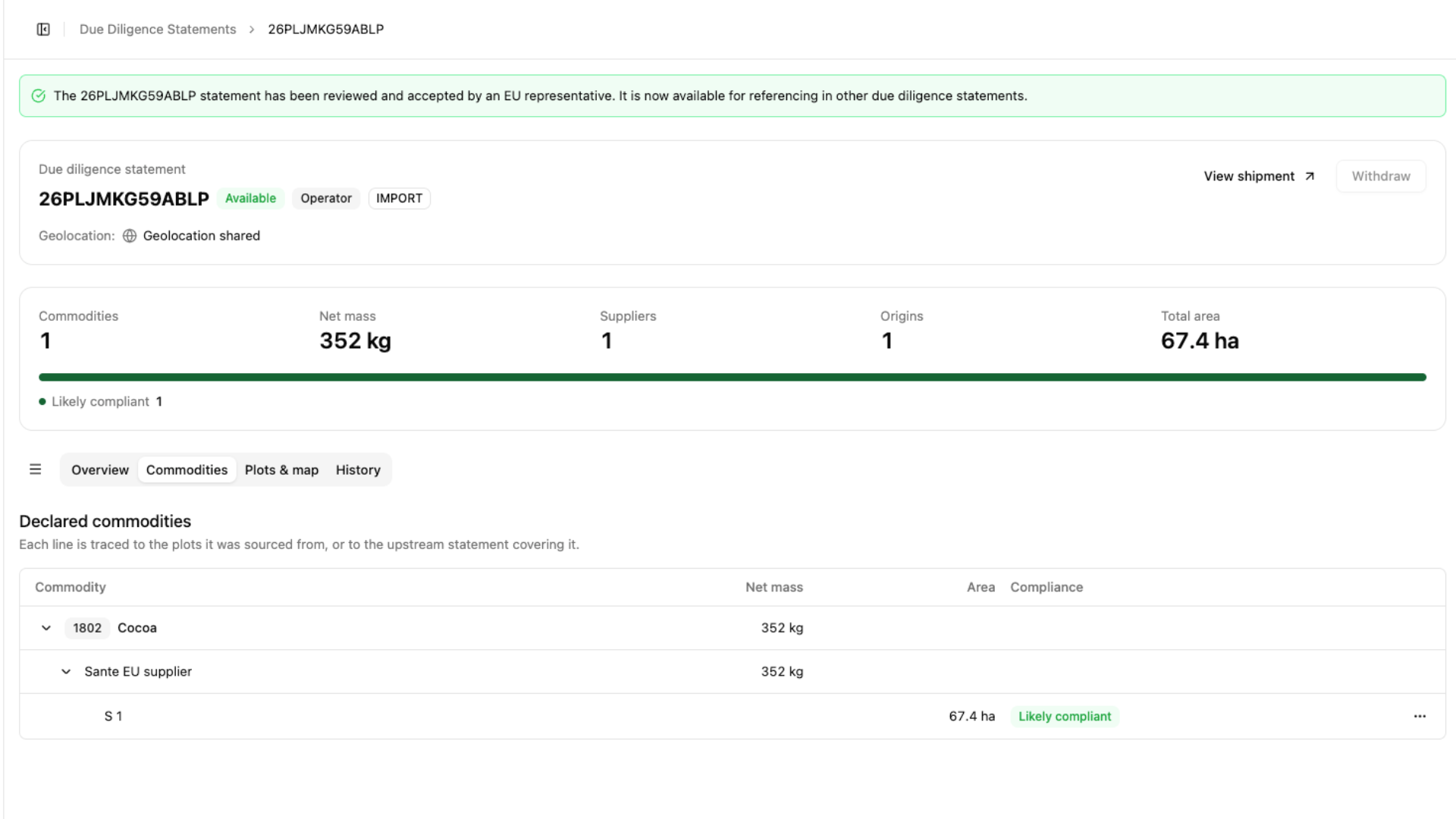
Coordinates pre-filled, EORI entered once, statement submitted through the EU's API.
No change has been proposed. The Commission's review of May 2026 kept the dates, and there is no proposal to move them. Plan for 30 December 2026, or 30 June 2027 if you are a micro or small company.
By your own size. A medium or large company works to 30 December 2026 even if its customers are small, and a small company keeps its later date even if it sells to large ones.
The date applies, but your obligations are lighter. If the product was already placed on the EU market before you bought it, you are a downstream operator or trader. You don't file a due diligence statement, but you must keep records of who supplied you and who you sold to. Companies that are not SMEs must also register in the information system.
Products without a valid statement cannot be placed on the market or exported. Customs needs the statement's reference number on the declaration, so goods can be held at the border. Member States also set fines, with a maximum of at least 4% of EU-wide turnover.
No. Micro and small companies with timber products already covered by the EU Timber Regulation apply from 30 December 2026. Products added to the list in September 2026, such as soluble coffee, apply from 30 December 2027.
This page explains the regulation in plain terms. It is not legal advice.
Related: EUDR compliance with Orbify · EUDR for micro and small companies · What happens at customs after 30 December
One call. We go through your products, your role and your suppliers, and tell you exactly what you have to do.